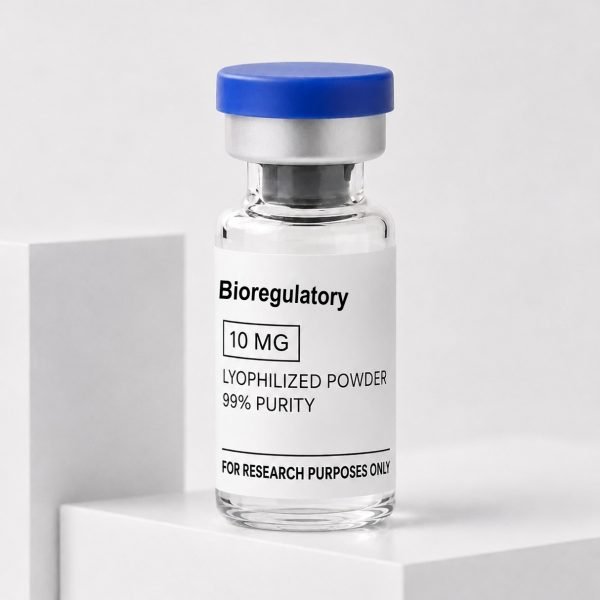
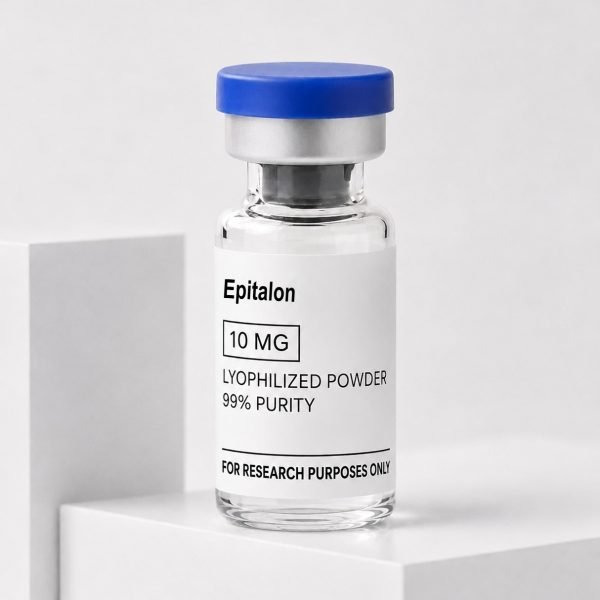
What It Is
Pinealon is a synthetic bioregulatory tripeptide composed of three amino acids (Glutamic acid-Aspartic acid-Arginine, or Glu-Asp-Arg). Developed as a short-chain peptide bioregulator, it directly interacts with the genome of brain tissue cells to modulate gene expression, protein synthesis, and neuronal metabolism.
What It Is Commonly Used For
-
Neuroprotection & Hypoxia Resistance: Studied for its ability to protect brain tissue against oxidative stress, ischemic damage, and cellular hypoxia by preserving mitochondrial function.
-
Circadian & Pineal Gland Regulation: Evaluated for normalizing pineal gland signaling, optimizing sleep architecture, and restoring disrupted circadian rhythms under physiological stress.
-
Cognitive Enhancement & Anti-Aging: Researched in neurodegenerative and aging models for improving memory retention, focus, executive function, and overall neuronal plasticity.
General Purpose
To provide a brain-specific synthetic tripeptide bioregulator for investigating neuroprotective pathways, pineal gland function, circadian rhythm stabilization, and central nervous system gene expression in laboratory research.
Specifications
| Property |
Details |
| Product Name |
Pinealon |
| Product Category |
Neuroprotective & Bioregulatory Peptides |
| Compound Type |
Synthetic Tripeptide (Glu-Asp-Arg) |
| Primary Goal |
Neuroprotection, circadian stabilization, gene expression modulation, and cognitive function research |
| Form |
Lyophilized powder (vial) |
| Storage |
Store lyophilized powder at 2°C to 8°C (refrigerated) or -20°C for long-term storage. Protect from direct light. |
| Intended Use |
Laboratory Research Only |