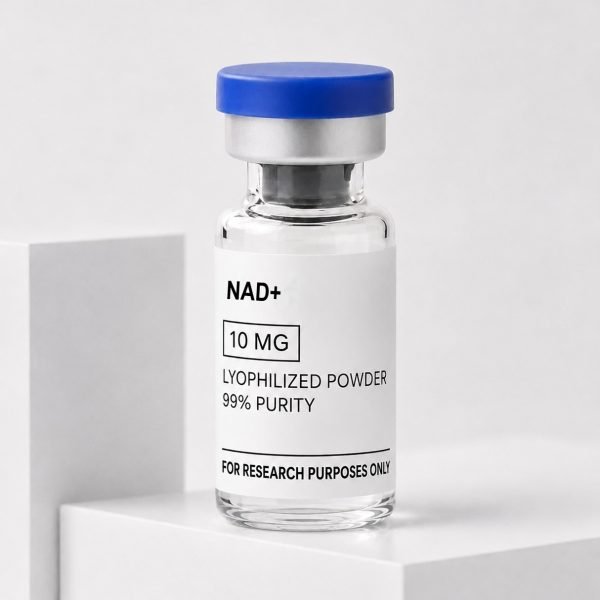
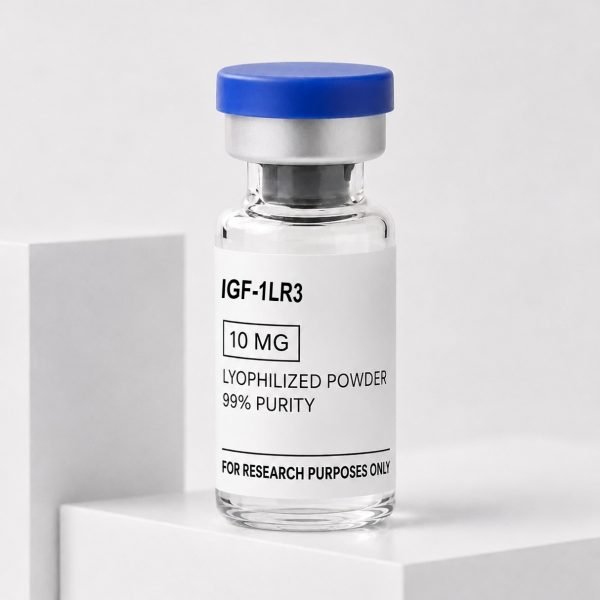
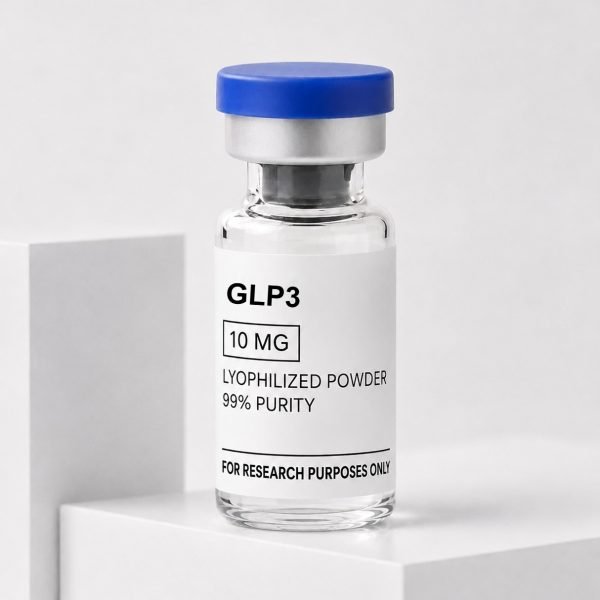
What It Is
GLP-1 is an endogenous incretin peptide hormone naturally synthesized by intestinal L-cells in response to nutrient ingestion. It plays a foundational role in metabolic regulation by activating GLP-1 receptors in pancreatic $beta$-cells, the central nervous system, and the gastrointestinal tract to modulate glucose homeostasis and energy balance.
What It Is Commonly Used For
-
Glucose-Dependent Insulin Secretion: Studied for its ability to stimulate insulin release from pancreatic cells exclusively in the presence of elevated blood glucose levels.
-
Central Appetite & Gastric Motility: Evaluated for delaying gastric emptying rate and activating hypothalamic signaling pathways to induce satiety.
-
Glucagon Suppression & Glycemic Control: Researched for downregulating inappropriate postprandial glucagon secretion, aiding hepatic glucose clearance.
General Purpose
To provide a baseline incretin peptide compound for investigating receptor binding affinity, glucose-dependent insulinotropic signaling, appetite regulation, and metabolic homeostasis in laboratory research.
Specifications
| Property |
Details |
| Product Name |
GLP-1 (Glucagon-Like Peptide-1) |
| Product Category |
Incretin Hormones & Metabolic Peptides |
| Compound Type |
Endogenous Incretin Peptide Hormone |
| Primary Goal |
Insulinotropic signaling, gastric motility delay, and glycemic control study |
| Form |
Lyophilized powder (vial) |
| Storage |
Store lyophilized powder at 2°C to 8°C (refrigerated) or -20°C for long-term storage. Protect from direct light. |
| Intended Use |
Laboratory Research Only |